
IV Therapy 101
What It Is, How It Works, and Who It's For
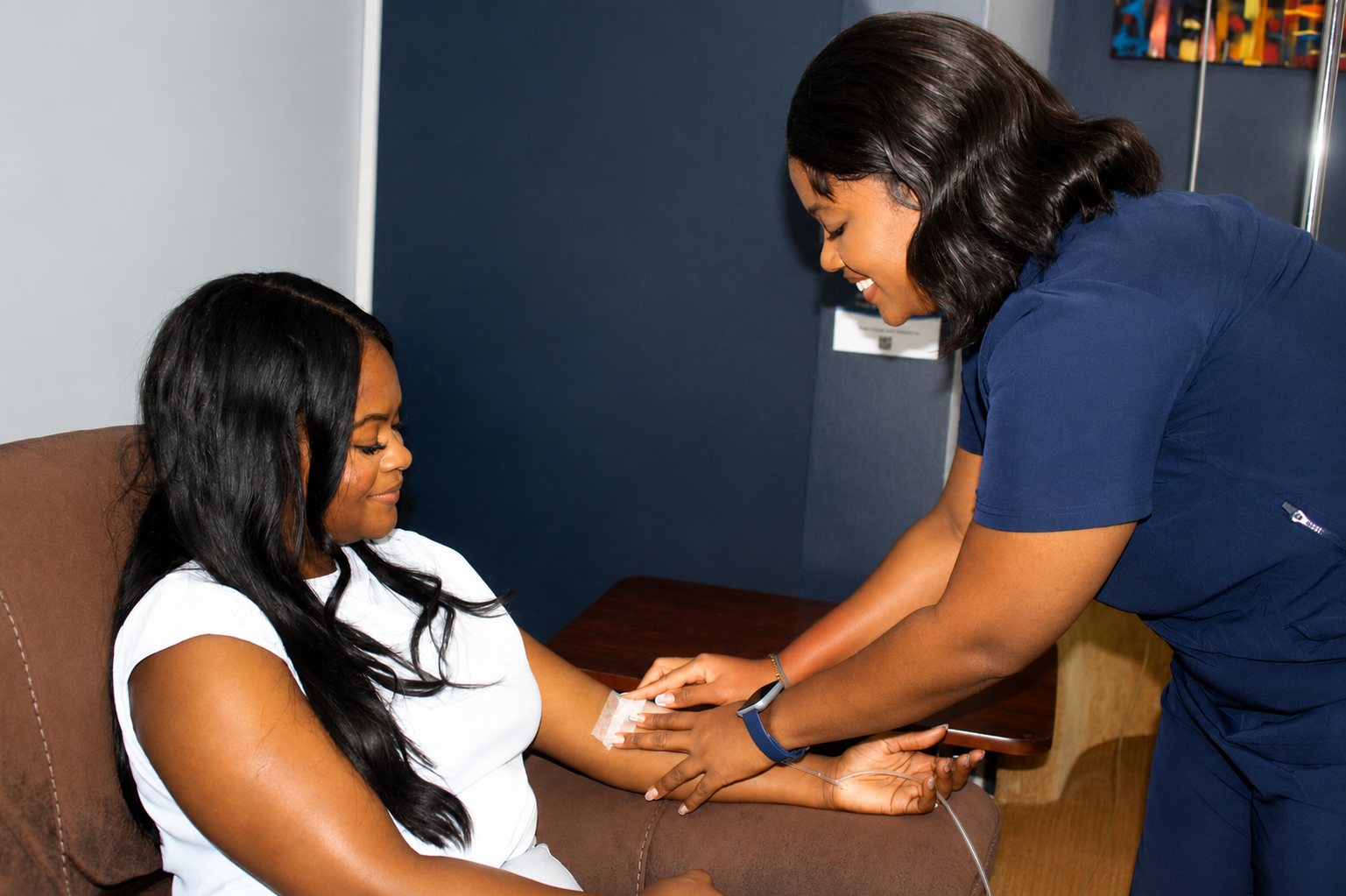
If you've walked past a wellness clinic lately or scrolled social media for more than five minutes, you've probably seen someone relaxing in a chair with a small IV bag hanging beside them. IV therapy has gone from a hospital-only treatment to one of the most talked-about wellness trends around — but what actually is it, and does it live up to the hype? Here's a straightforward breakdown.
What Is IV Therapy?
IV (intravenous) therapy is a way of delivering vitamins, minerals, antioxidants, and fluids directly into your bloodstream through a small, thin needle placed in a vein — usually in your arm.
Instead of swallowing a pill or drinking a supplement, the nutrients bypass your digestive system entirely and go straight to work. That one detail is the whole reason IV therapy exists: absorption.
Why Absorption Matters
When you take a vitamin orally, it has to survive your stomach acid, get broken down, pass through your intestines, and get absorbed into your bloodstream — a process that isn't very efficient. IV therapy skips all of that.
Oral Supplements
What your body actually absorbs after digestion
IV Therapy
Delivered straight into the bloodstream
What's Actually in an IV Bag?
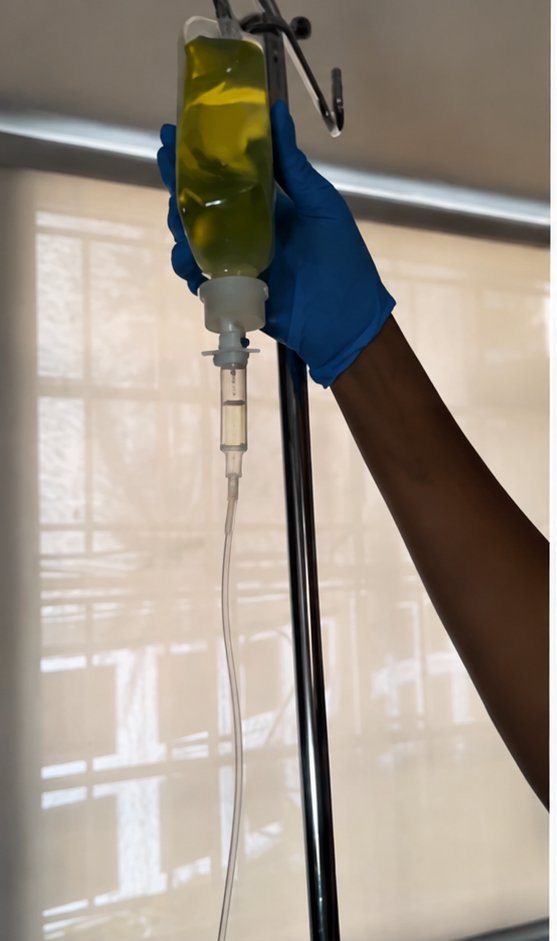
This is where IV therapy gets interesting — it isn't one single formula. Clinics build different blends for different goals, typically some combination of:
Fluids
For hydration
B Vitamins
Like B12, for energy
Vitamin C
Immune and antioxidant support
Magnesium & Calcium
For muscle and nerve function
Zinc
For immunity
Glutathione
A powerful antioxidant, often added for skin and cellular support
Amino Acids / NAD+
Sometimes used for energy and recovery-focused blends
A provider will typically choose — or help you choose — a blend based on what you're trying to address.
Common Reasons People Get IV Therapy
Low Energy or Fatigue
That hasn't responded to diet or sleep changes
Dehydration
After illness, travel, or intense exercise
Immune Support
During cold and flu season
Recovery
After a demanding week, workout, or event
General Wellness Maintenance
As part of a broader health routine
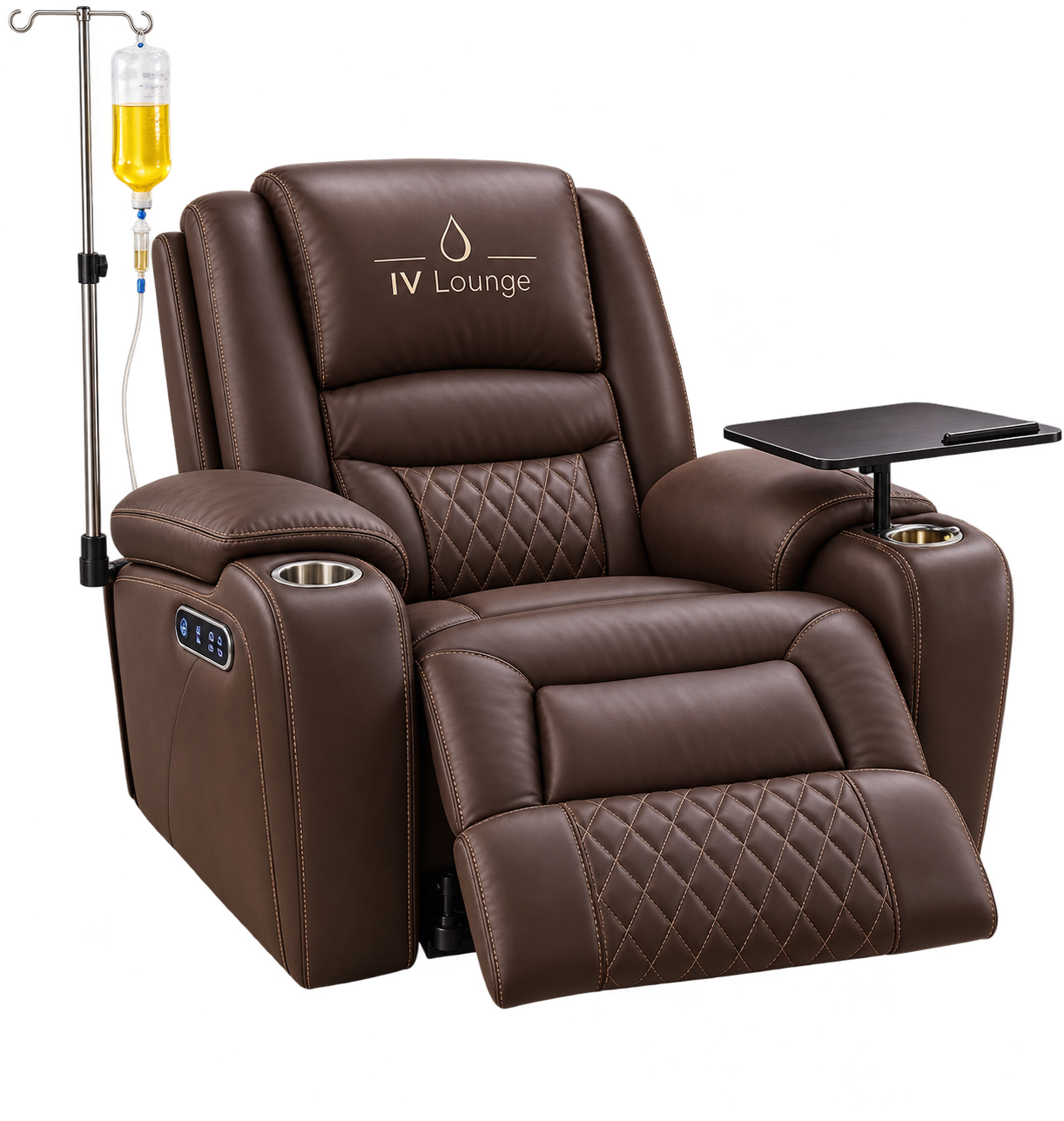
What Happens During a Session?
A Quick Health Check
Your provider reviews your health history and confirms the right blend for you.
The IV Is Placed
A small needle goes into a vein, usually in your arm — most people describe it as a quick pinch, similar to a blood draw.
You Relax
Sessions typically take 30 to 60 minutes, during which you can sit back, scroll your phone, or just unwind.
The Needle Is Removed
You're free to go about your day — there's no real downtime.
Is IV Therapy Safe?
IV therapy is generally very safe when it's done properly — meaning by trained medical staff, in a clean clinical setting, with a doctor overseeing your treatment plan. This isn't something that should be done casually or without medical supervision, since it does involve introducing substances directly into your bloodstream.
A Consultation, Always
Reviewing your health history, checking for any contraindications, and making sure the treatment you're considering is actually appropriate for you.
"The best next step is a consultation with a doctor who can build a plan around what your body actually needs — not a one-size-fits-all bag."
The Bottom Line
IV therapy is, at its core, a faster and more efficient way to get your body the nutrients it needs — bypassing the slow, sometimes inefficient process of oral absorption. Whether that's the right choice for you depends on your goals, your health history, and a conversation with a qualified provider.
Curious About IV Therapy?
Book a consultation with our team, or reach out on WhatsApp to ask a question first.